Korean Bibimbap
Highlighted under: Cultural Meals
Korean Bibimbap is a vibrant and nutritious dish that combines rice with a variety of vegetables, meat, and a spicy sauce, making it a beloved meal both in Korea and around the world.
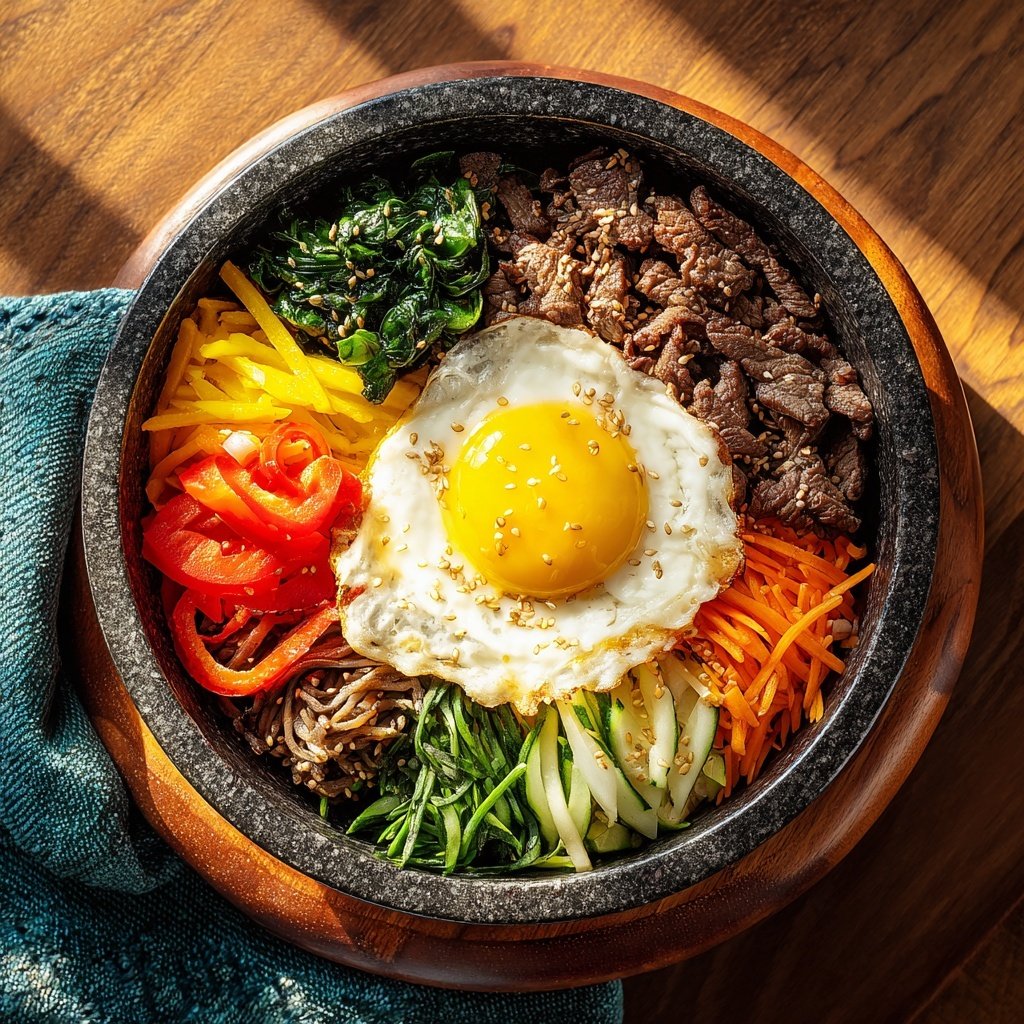
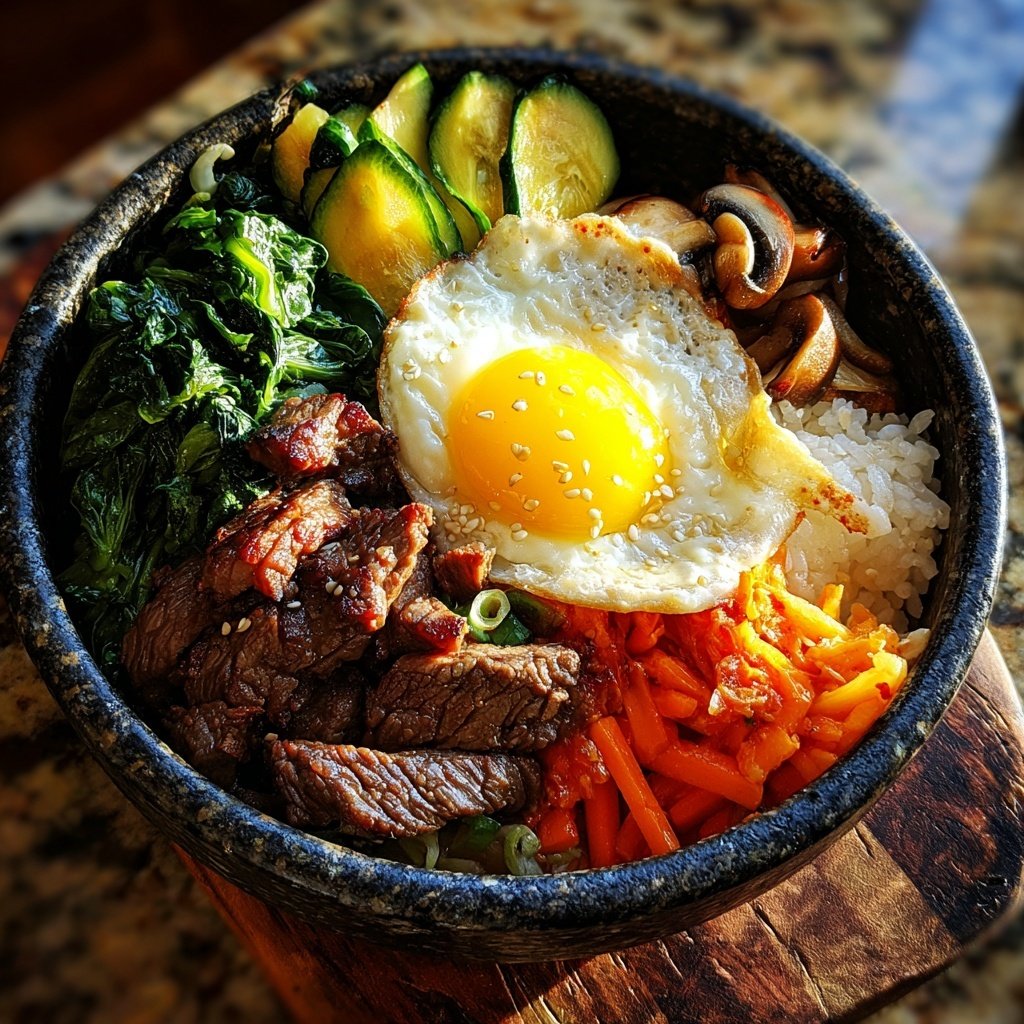
Korean Bibimbap is not just a meal; it's a culinary experience. Originating from Korea, this dish beautifully showcases the harmony of flavors and textures that define Korean cuisine. Each ingredient, from the marinated beef to the colorful vegetables, contributes to a delicious balance that is both satisfying and visually appealing.
Why You Will Love This Recipe
- Colorful presentation that makes every bowl a feast for the eyes
- Customizable with your favorite proteins and vegetables
- Deliciously spicy gochujang sauce adds a kick to every bite
The Essence of Bibimbap
Bibimbap, which translates to 'mixed rice,' is a quintessential Korean dish that showcases the harmony of flavors and textures. Each ingredient in this dish is carefully selected to provide a balance of nutrition and taste, making it a wholesome meal option. The combination of vibrant vegetables, savory meat, and the rich gochujang sauce creates a delightful experience that tantalizes the taste buds. Whether enjoyed at home or in a restaurant, bibimbap is a celebration of Korean culinary traditions.
A key aspect of bibimbap is its versatility. You can customize it according to your dietary preferences or what you have on hand. Substitute beef with tofu or chicken, and mix in seasonal vegetables to create a dish that meets your cravings. This adaptability not only makes bibimbap a fantastic weeknight dinner but also a great way to use up leftovers in your fridge. With each bowl, you can craft a unique masterpiece tailored to your palate.
Nutritional Benefits
Bibimbap is not only visually appealing but also packed with nutrients. The array of vegetables used in this dish provides essential vitamins and minerals, while the protein from the meat or tofu ensures you feel satiated. Spinach is known for its iron content, and carrots deliver beta-carotene, promoting healthy vision. With the addition of gochujang, you're also getting a dose of fermentation benefits, which can aid digestion and boost gut health.
Moreover, this dish is naturally gluten-free when made with rice and the right sauces, making it accessible for those with dietary restrictions. The balance of carbohydrates, proteins, and healthy fats from sesame oil contributes to a well-rounded meal that supports energy levels throughout the day. Enjoying bibimbap regularly can be a delicious way to maintain a healthy lifestyle.
Serving and Storing Tips
When serving bibimbap, presentation is key! Arrange the ingredients in a colorful manner to create an inviting dish. Consider using a stone bowl, or dolsot, if you want to serve it hot and crispy, as it retains heat exceptionally well. Allow your guests to mix their bibimbap to enjoy a blend of flavors with each bite. Pair it with kimchi or pickled vegetables for an extra kick, enhancing the overall experience.
If you have leftovers, bibimbap can be stored in an airtight container in the refrigerator for up to three days. When reheating, add a splash of water and cover to keep the rice moist. You can also prepare the vegetables and protein ahead of time, making it easy to assemble fresh bibimbap throughout the week. This makes it a perfect meal prep option for busy individuals or families.
Ingredients
For the Bibimbap
- 2 cups cooked white rice
- 1 cup spinach, blanched
- 1 cup carrots, julienned
- 1 cup zucchini, julienned
- 1 cup mushrooms, sliced
- 1 cup bean sprouts
- 200g ground beef or tofu
- 4 eggs
- 2 tablespoons sesame oil
- Salt to taste
- Gochujang (Korean chili paste) for serving
Make sure to prepare all your ingredients before starting to cook for a seamless experience!
Instructions
Prepare the Vegetables
In a pan, heat 1 tablespoon of sesame oil over medium heat. Add the carrots and zucchini, sautéing until tender. Season with salt. Repeat for the mushrooms and bean sprouts in separate batches.
Cook the Beef
In the same pan, add the ground beef (or tofu) and cook until browned. Season with salt and a drizzle of sesame oil.
Fry the Eggs
In another pan, fry the eggs sunny-side up until the whites are set but the yolks are still runny.
Assemble the Bibimbap
In a large bowl, layer the cooked rice, followed by the sautéed vegetables, cooked beef, and a fried egg on top. Drizzle with gochujang and add additional sesame oil if desired.
Mix everything together before eating to enjoy the full flavor!
Pro Tips
- Feel free to add other vegetables or proteins according to your preference. Leftover bibimbap can be stored in the fridge for a quick meal later.
Culinary Variations
While the traditional bibimbap features specific ingredients, feel free to explore variations that suit your taste. For instance, you can incorporate seasonal veggies like radishes or bell peppers for added crunch. Some regions in Korea have their own twists, such as adding seaweed or using different grains like barley instead of rice. The possibilities are endless, allowing you to create a personalized bibimbap that reflects your culinary style.
Another fun twist is to make a spicy bibimbap by adding more gochujang or incorporating spicy kimchi into the mix. You can even create a fusion version by adding ingredients like avocado or using quinoa as a base. This dish invites creativity, so don’t hesitate to experiment with flavors and textures!
Perfect Pairings
To enhance your bibimbap experience, consider pairing it with traditional Korean beverages. A cold bottle of soju or a refreshing glass of makgeolli (rice wine) complements the flavors beautifully. For a non-alcoholic option, serve it with barley tea, which is both hydrating and has a nutty flavor that pairs well with the dish.
For dessert, a light and fruity option like sweet rice cakes or seasonal fruits can be a perfect finish. This balances the meal without overwhelming the palate. Whether you’re hosting a gathering or enjoying a quiet night in, these pairings will elevate your bibimbap experience.
Questions About Recipes
→ Can I use brown rice instead of white rice?
Yes, brown rice can be used for a healthier alternative, but it might require a longer cooking time.
→ Is there a vegetarian version of Bibimbap?
Absolutely! You can replace the beef with tofu or additional vegetables to make it vegetarian.
→ What is Gochujang?
Gochujang is a Korean chili paste made from red chili, glutinous rice, fermented soybeans, and salt, adding a unique flavor and spice to dishes.
→ How can I make Bibimbap ahead of time?
You can prepare the vegetables and beef in advance and store them in the refrigerator. Assemble just before serving.
Korean Bibimbap
Created by: Belinda Fraser
Recipe Type: Cultural Meals
Skill Level: Intermediate
Final Quantity: 4 servings
What You'll Need
For the Bibimbap
- 2 cups cooked white rice
- 1 cup spinach, blanched
- 1 cup carrots, julienned
- 1 cup zucchini, julienned
- 1 cup mushrooms, sliced
- 1 cup bean sprouts
- 200g ground beef or tofu
- 4 eggs
- 2 tablespoons sesame oil
- Salt to taste
- Gochujang (Korean chili paste) for serving
How-To Steps
In a pan, heat 1 tablespoon of sesame oil over medium heat. Add the carrots and zucchini, sautéing until tender. Season with salt. Repeat for the mushrooms and bean sprouts in separate batches.
In the same pan, add the ground beef (or tofu) and cook until browned. Season with salt and a drizzle of sesame oil.
In another pan, fry the eggs sunny-side up until the whites are set but the yolks are still runny.
In a large bowl, layer the cooked rice, followed by the sautéed vegetables, cooked beef, and a fried egg on top. Drizzle with gochujang and add additional sesame oil if desired.
Extra Tips
- Feel free to add other vegetables or proteins according to your preference. Leftover bibimbap can be stored in the fridge for a quick meal later.
Nutritional Breakdown (Per Serving)
- Calories: 550 kcal
- Total Fat: 20g
- Saturated Fat: 4g
- Cholesterol: 186mg
- Sodium: 700mg
- Total Carbohydrates: 75g
- Dietary Fiber: 5g
- Sugars: 5g
- Protein: 22g